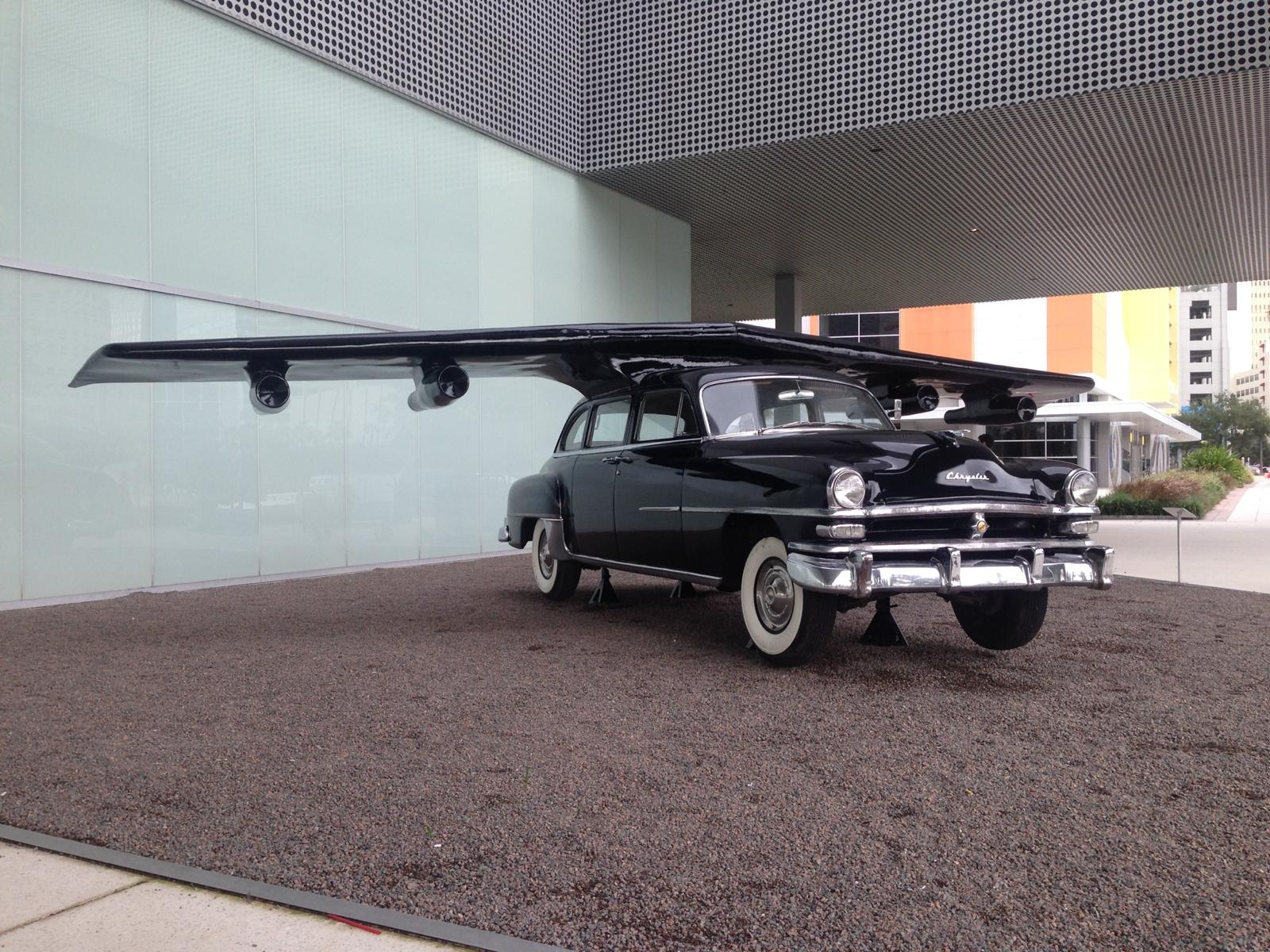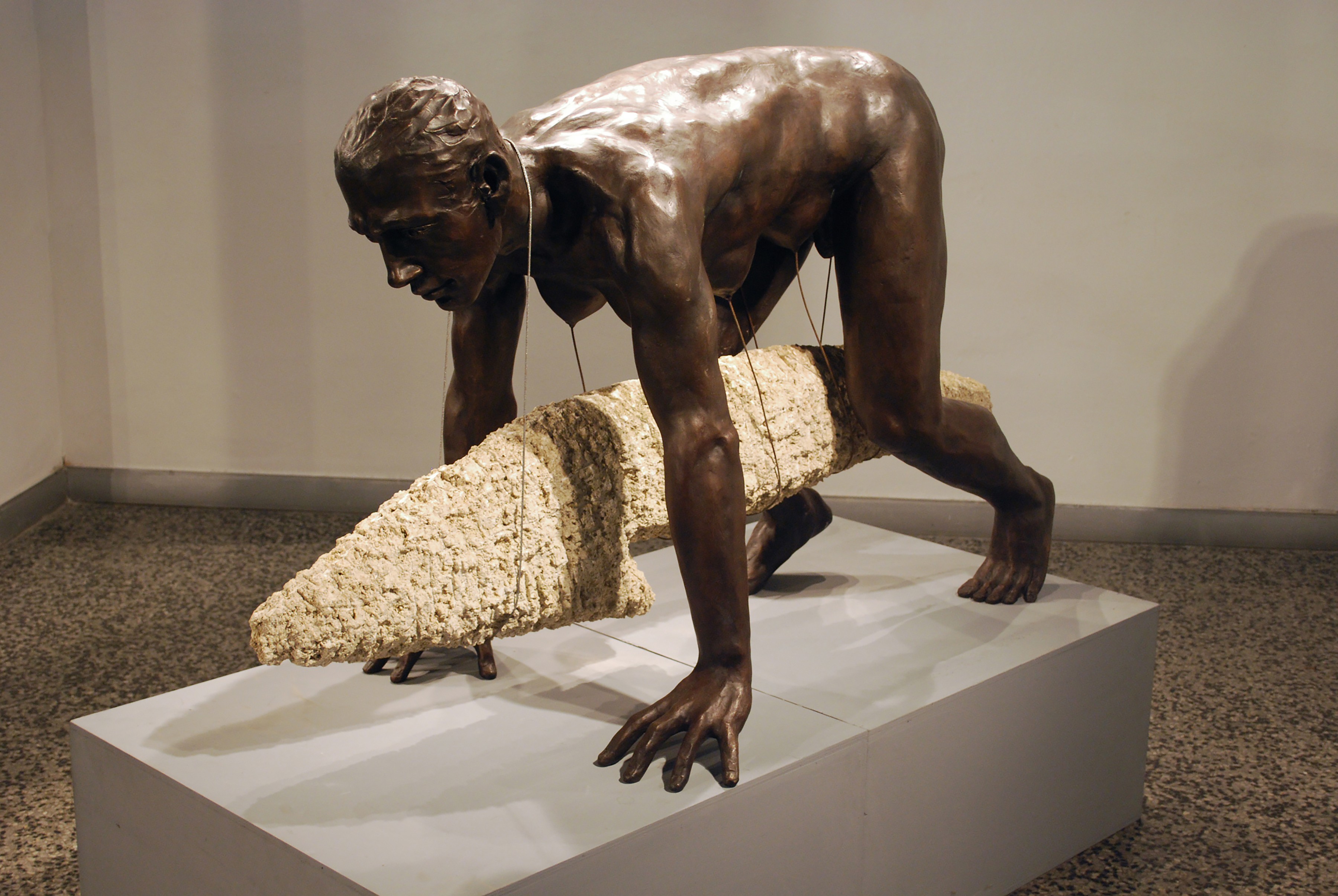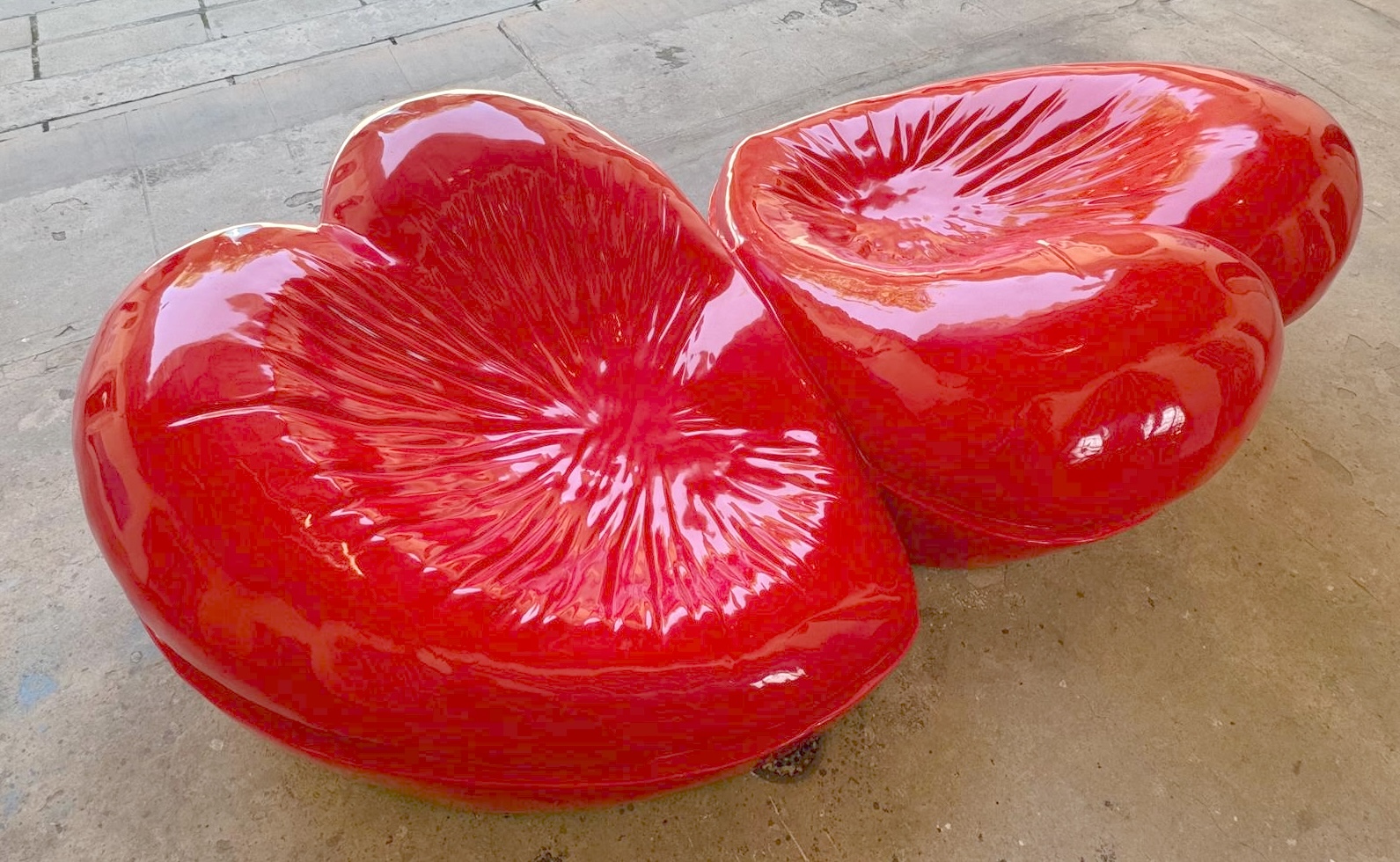
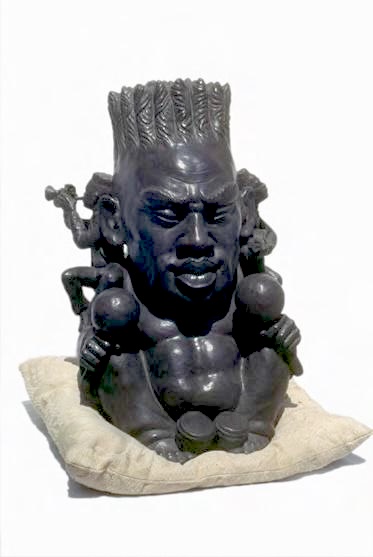
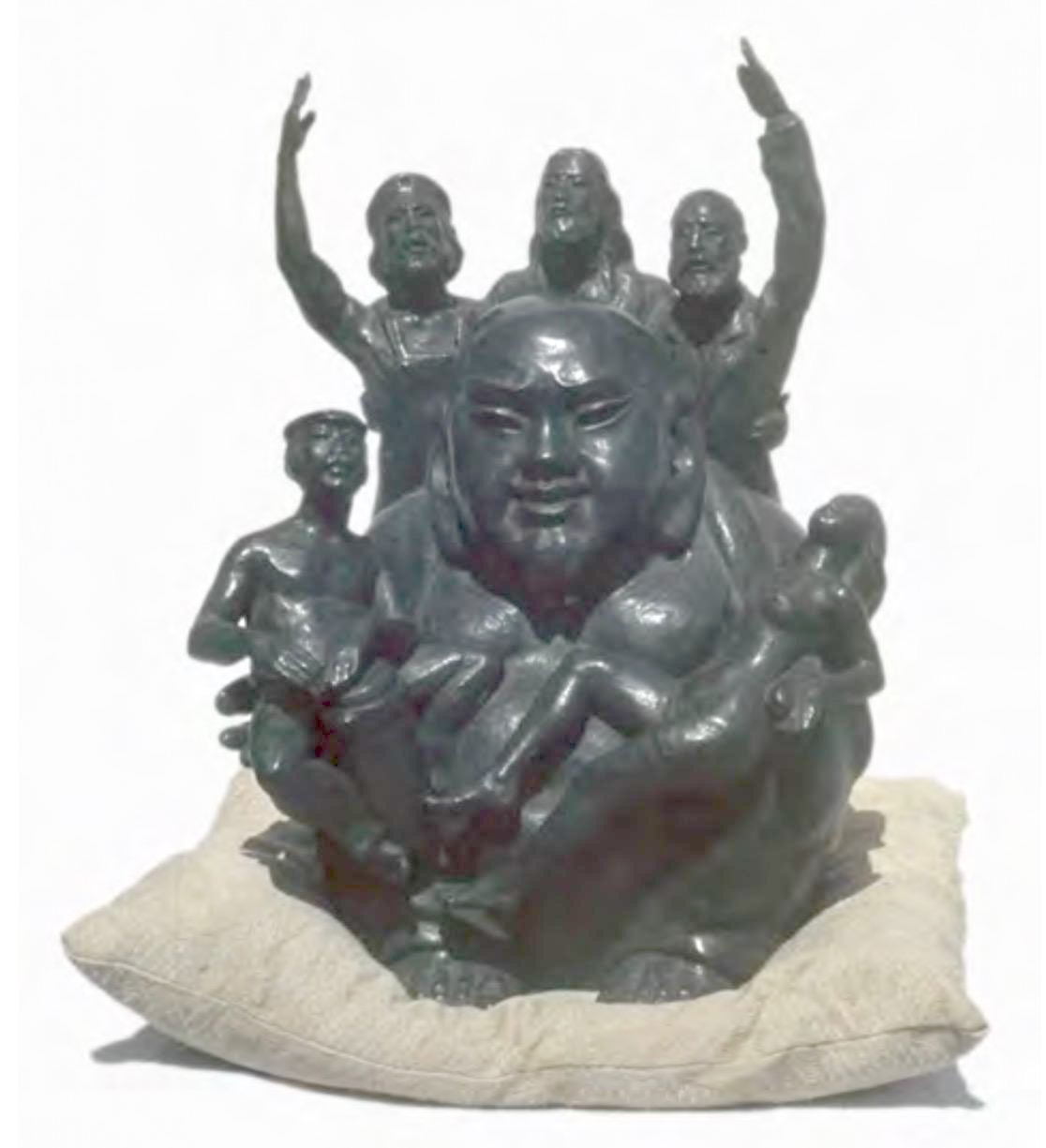
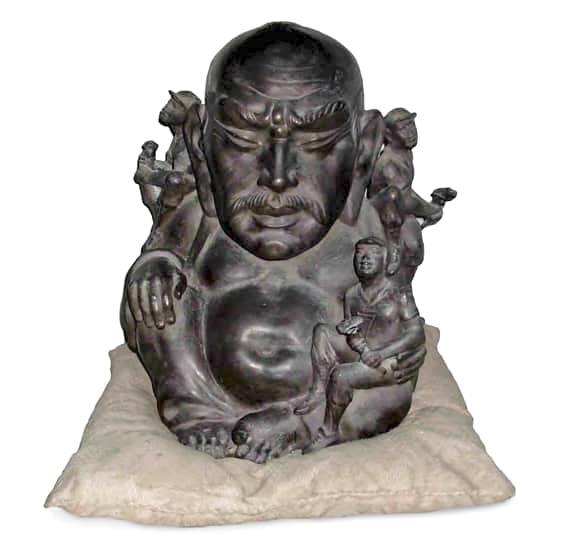
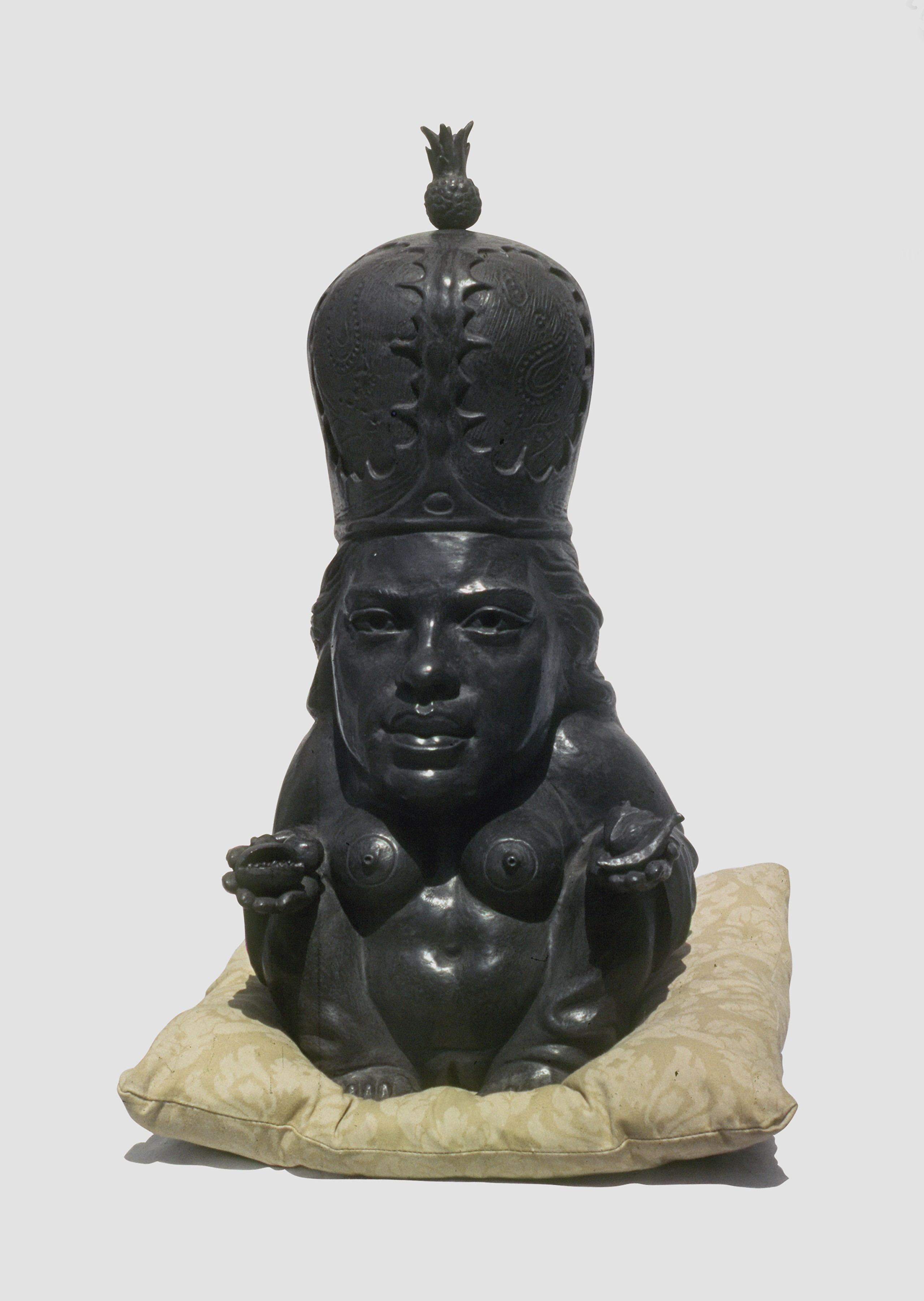
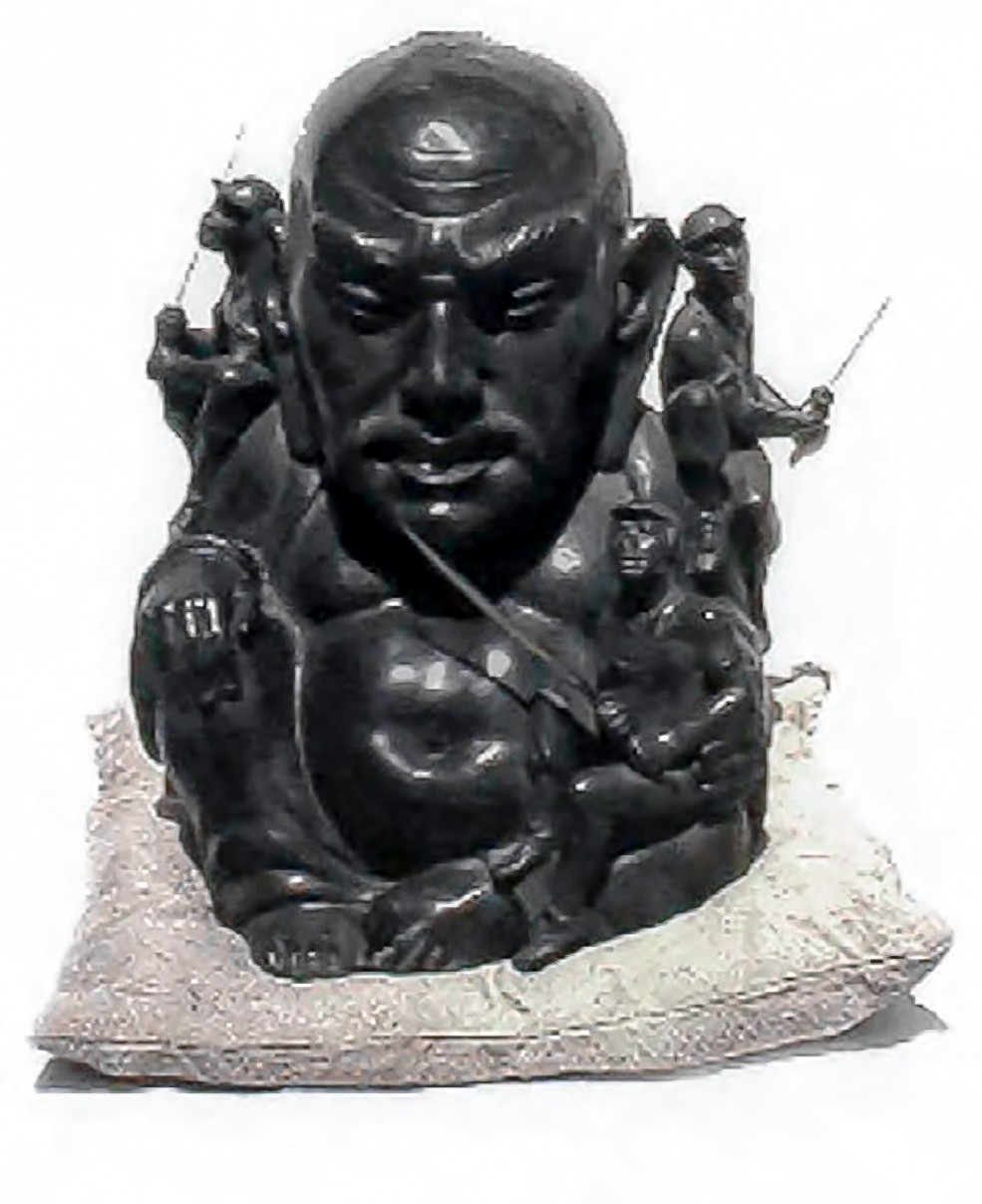
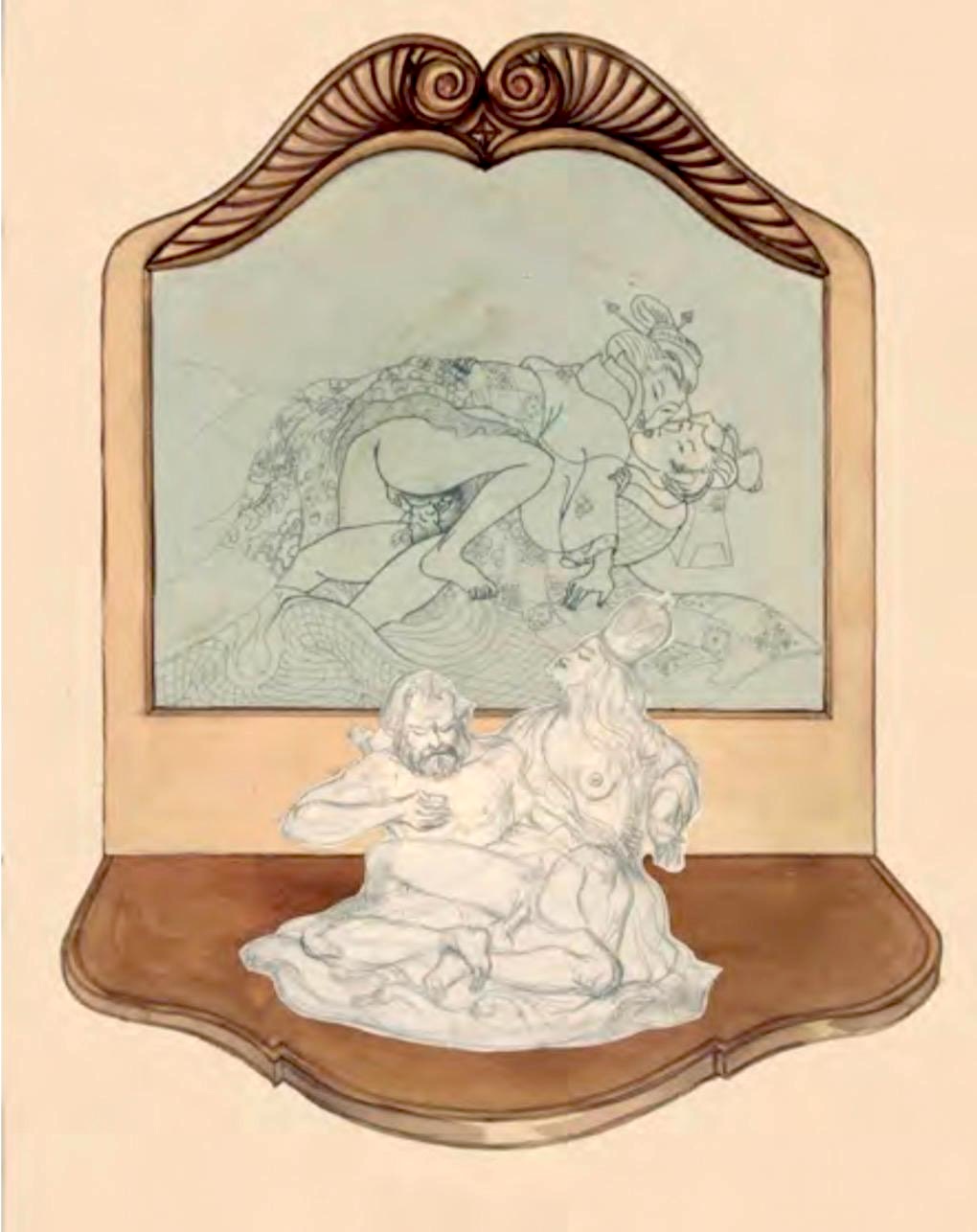
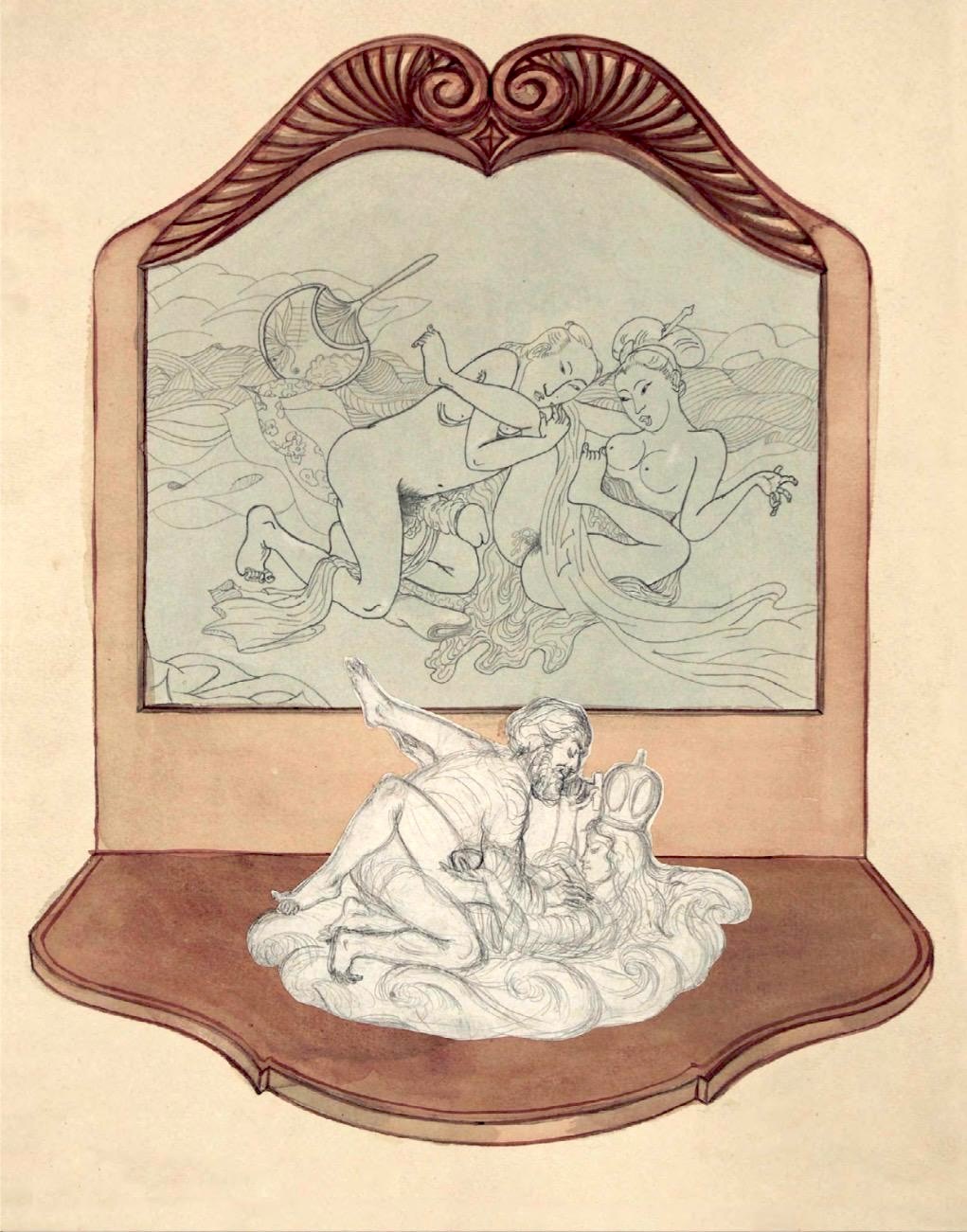
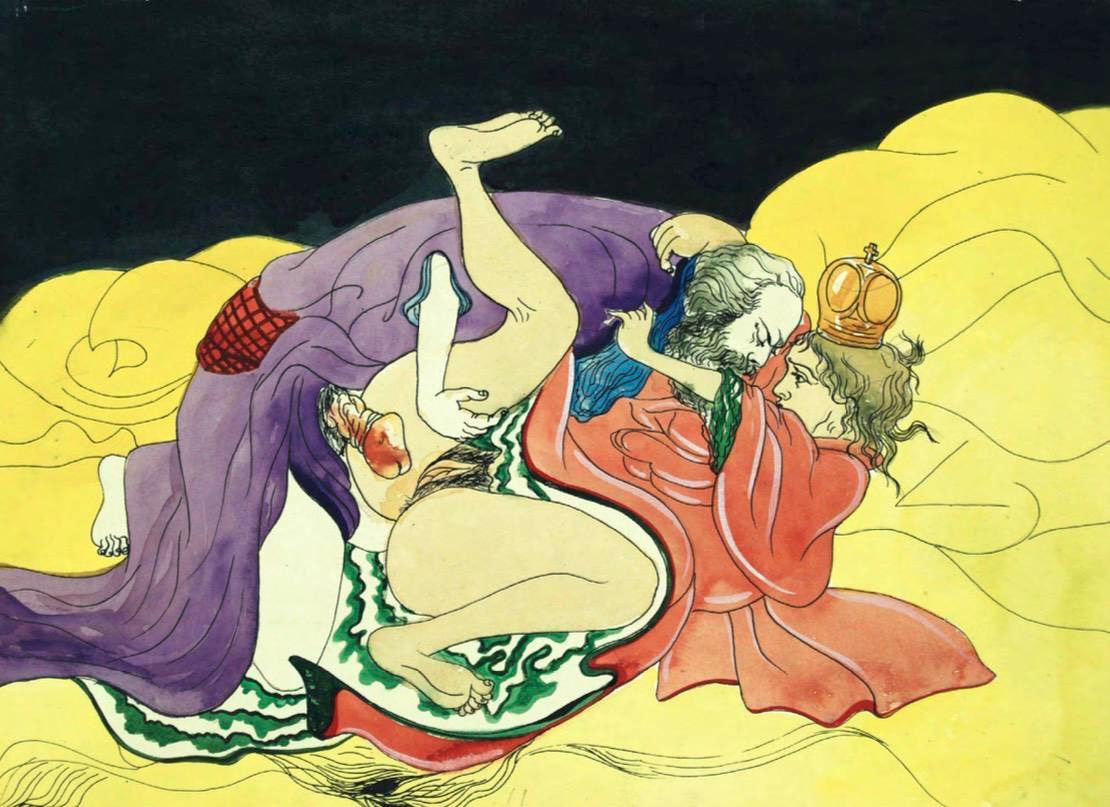
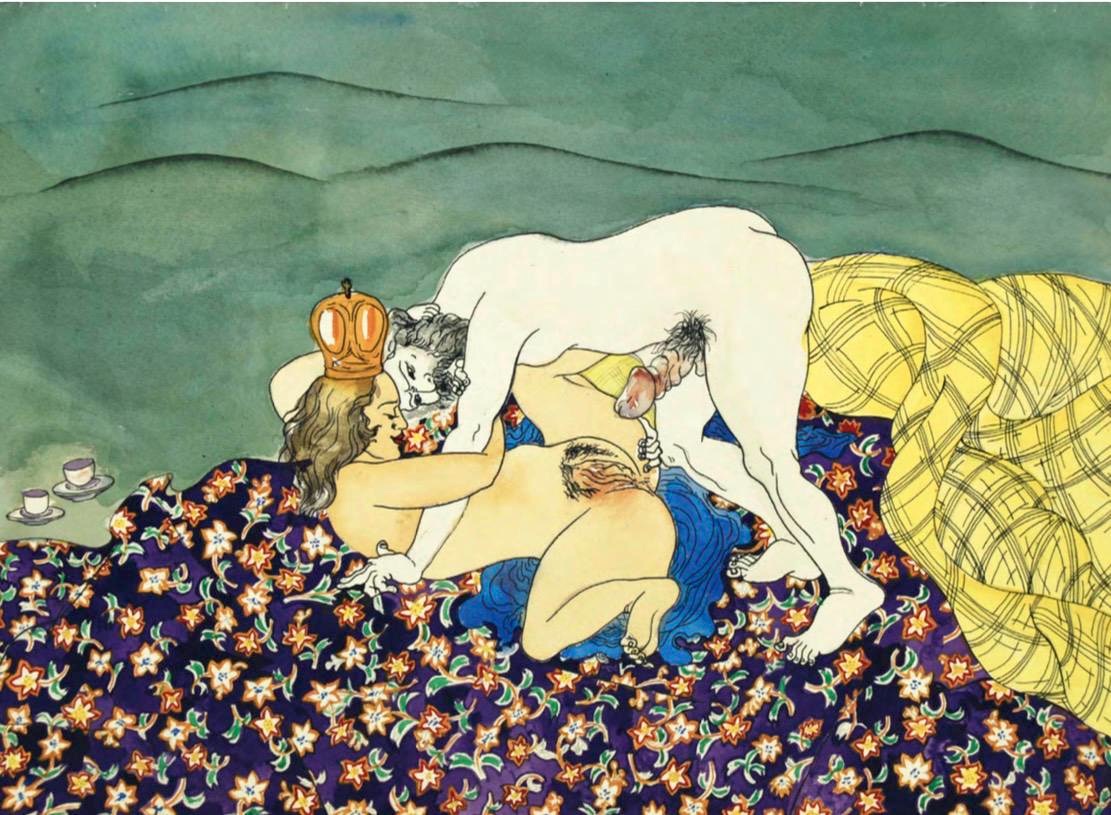
In Western culture, Eros and Thanatos are two sides of the same coin. Each image related to war or political transcendence contains its own reverse side. This project works on that reverse side. The spirit of these artworks is to subvert the traditional solemnity of certain representations in order to articulate a discourse about the relationship between three apparently distant planes: religion, politics and sexuality.
The meaning of the works is related to specific Cuban motifs such as: the Virgen de la Caridad del Cobre, the typical Cuban mulatto, the classics of Marxism, baseball, etc. These elements contribute to the diversity and highlight the hybrid composition of our national cultural tradition, as well as to dialogue with the context of their gestation. The use of corporeality and its implications in other planes of existence, in both the objectual and spiritual realities, is a theme that runs throughout the project. The referents appropriated by the artist make these pieces stand as playful correlates of national history. In that sense, the insistence on the use of materials such as ceramics or porcelain in the construction of the artistic objects is not gratuitous, but rather a reference to the kitsch domestic universe of a typical Cuban house. The coherent use of the imaginary of the Revolution based on the representation of the hero, this time stripped of his golden halo, is one of the strengths of these works, insofar as it humanizes and revisits fundamental figures to understand the political evolution of the island.
_________________________
MÍSTICA DEL RESGUARDO Y LA GOZADERA
Eros y Thánatos constituyen, en la cultura occidental, dos caras de la misma moneda. Cada imagen bélica o de trascendencia política contiene en sí misma su reverso. Sobre ese reverso trabaja Mística del resguardo y la gozadera. El espíritu del proyecto es el de subvertir la solemnidad tradicional de ciertas representaciones para articular un discurso acerca de la relación entre tres planos en apariencia distantes: la religión, la política y la sexualidad.
Los motivos sobre los que se construye el sentido de las obras —la Virgen de la Caridad del Cobre, la típica mulata cubana, los clásicos del marxismo, el béisbol, etc.— hablan, desde su diversidad, de la composición híbrida de la tradición cultural nacional y dialogan con el contexto de su gestación. El uso de la corporalidad y sus implicaciones en otros planos de la existencia, tanto en la realidad objetual como en la espiritual, es un tema que atraviesa el proyecto. El juego con los referentes de los que se apropia el artista hace que estas piezas se erijan en correlatos lúdicos de la historia nacional. En ese sentido, la insistencia en el uso de materiales como la cerámica o la porcelana en la construcción de los objetos artísticos no resulta gratuita, sino que constituye un guiño referencial al universo doméstico un tanto kitsch de la típica casa cubana. El uso coherente del imaginario de la Revolución a partir de la representación del héroe, esta vez despojado de su aureola dorada, constituye una de las fortalezas de estas obras, en tanto que humaniza y revisita figuras fundamentales para entender el devenir político de la isla.
Double-tap to zoom