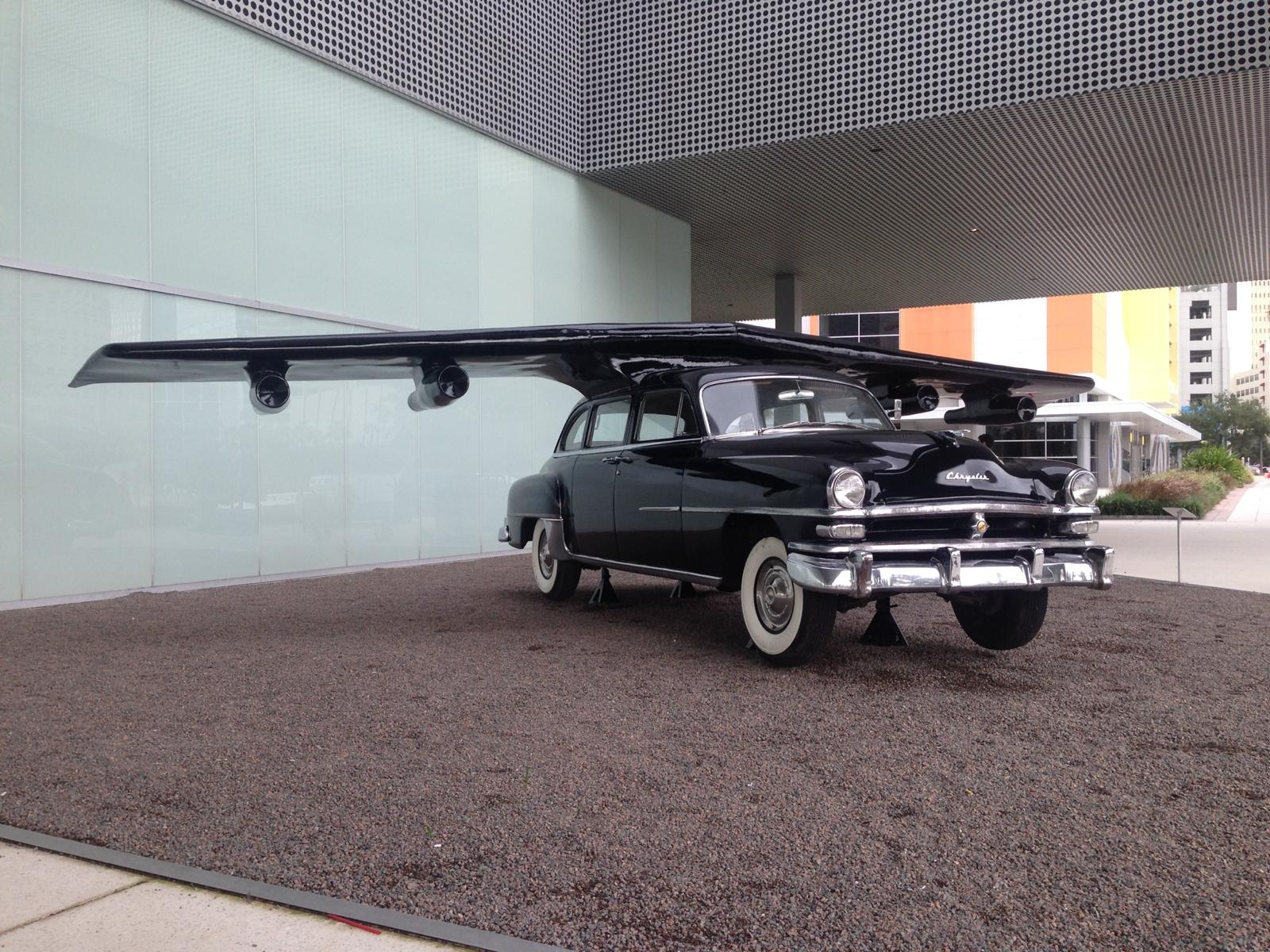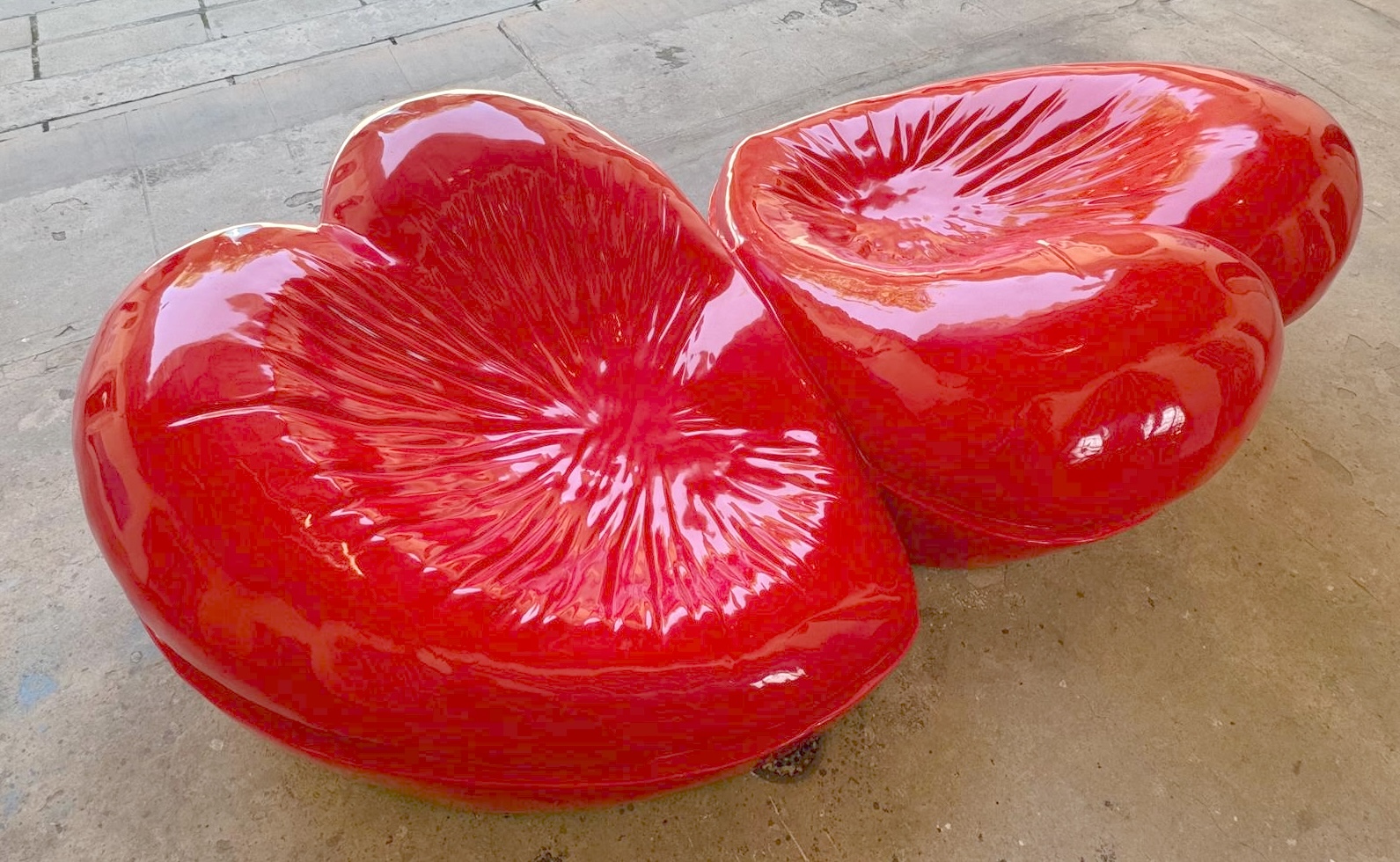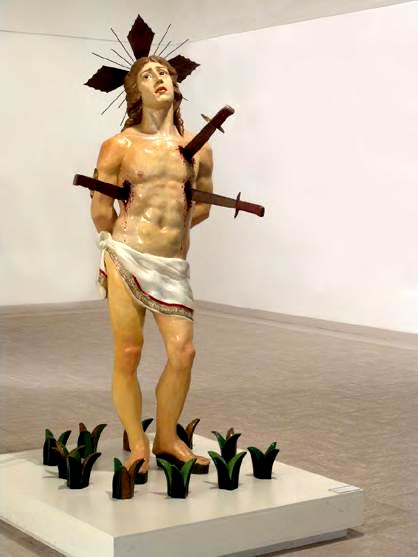
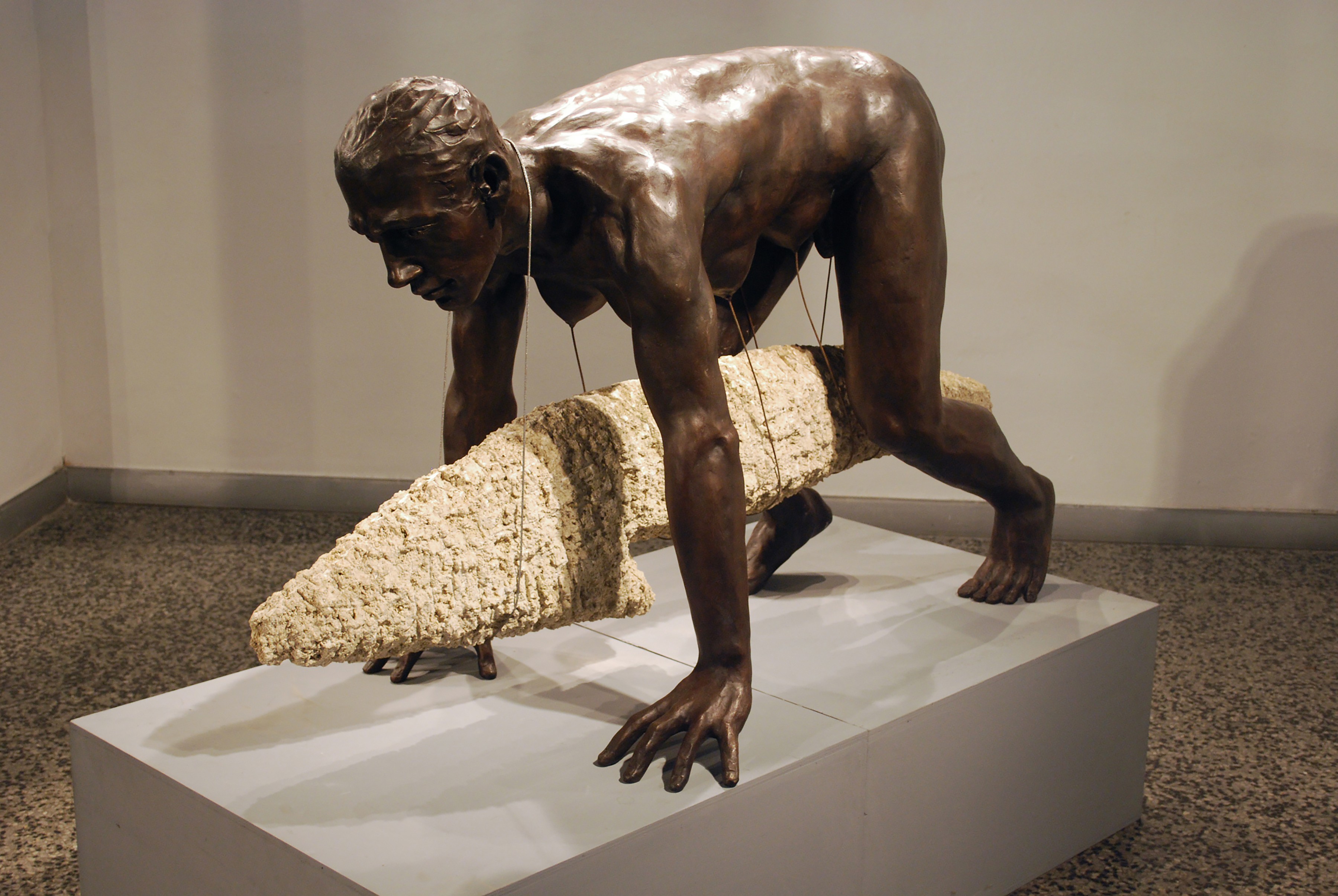
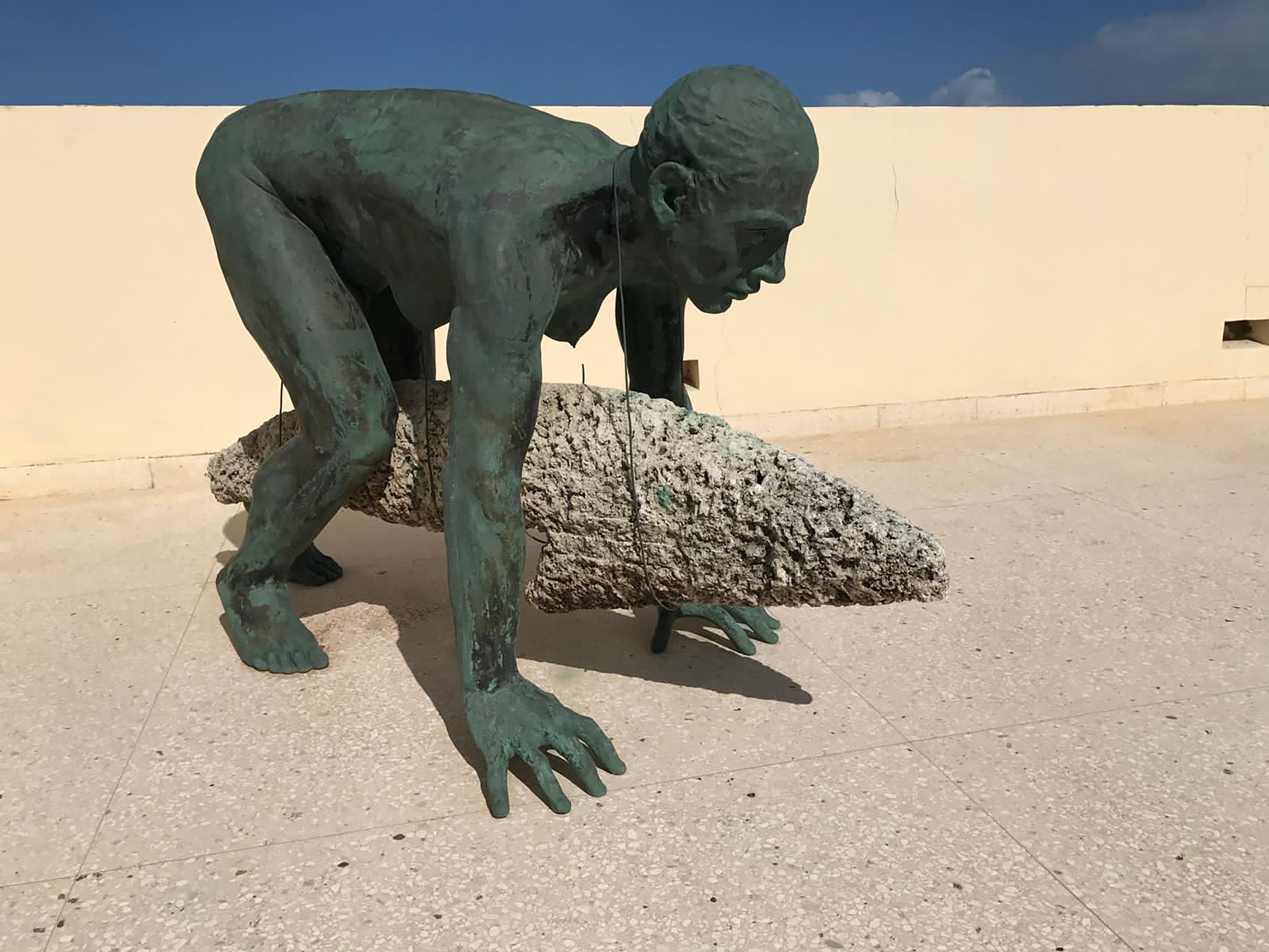
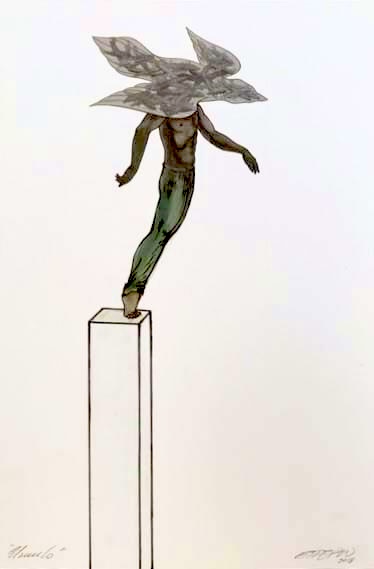
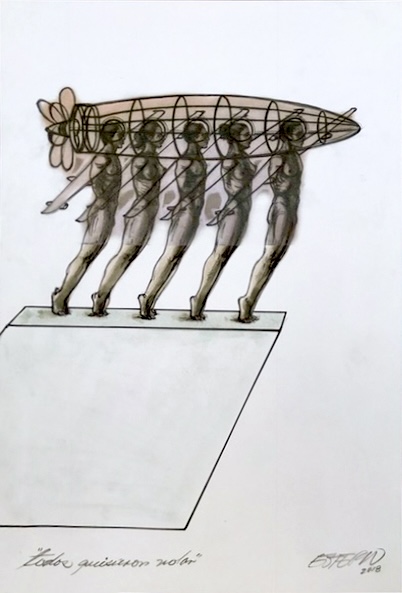
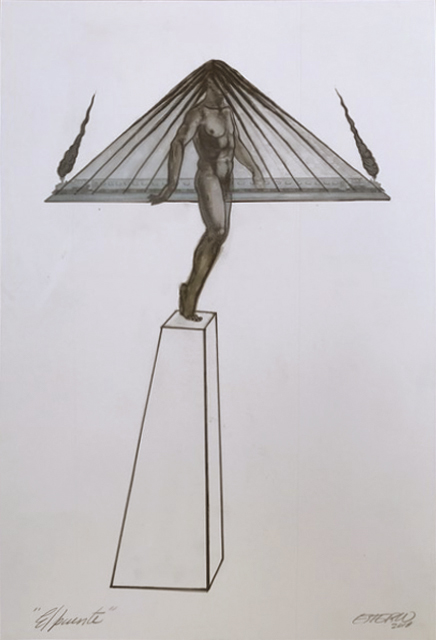
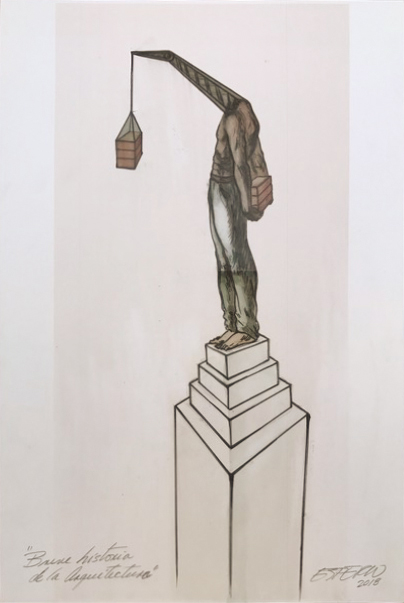
“Where are we from?” and “Where are we going?” are questions to which every human group in the history of humanity has resorted to explain the meaning of existence. On How the Earth Learned to Walk is linked to this extensive philosophical tradition, and aims to constitute an intimate story, as a way to respond to the contradictions inherent to life.
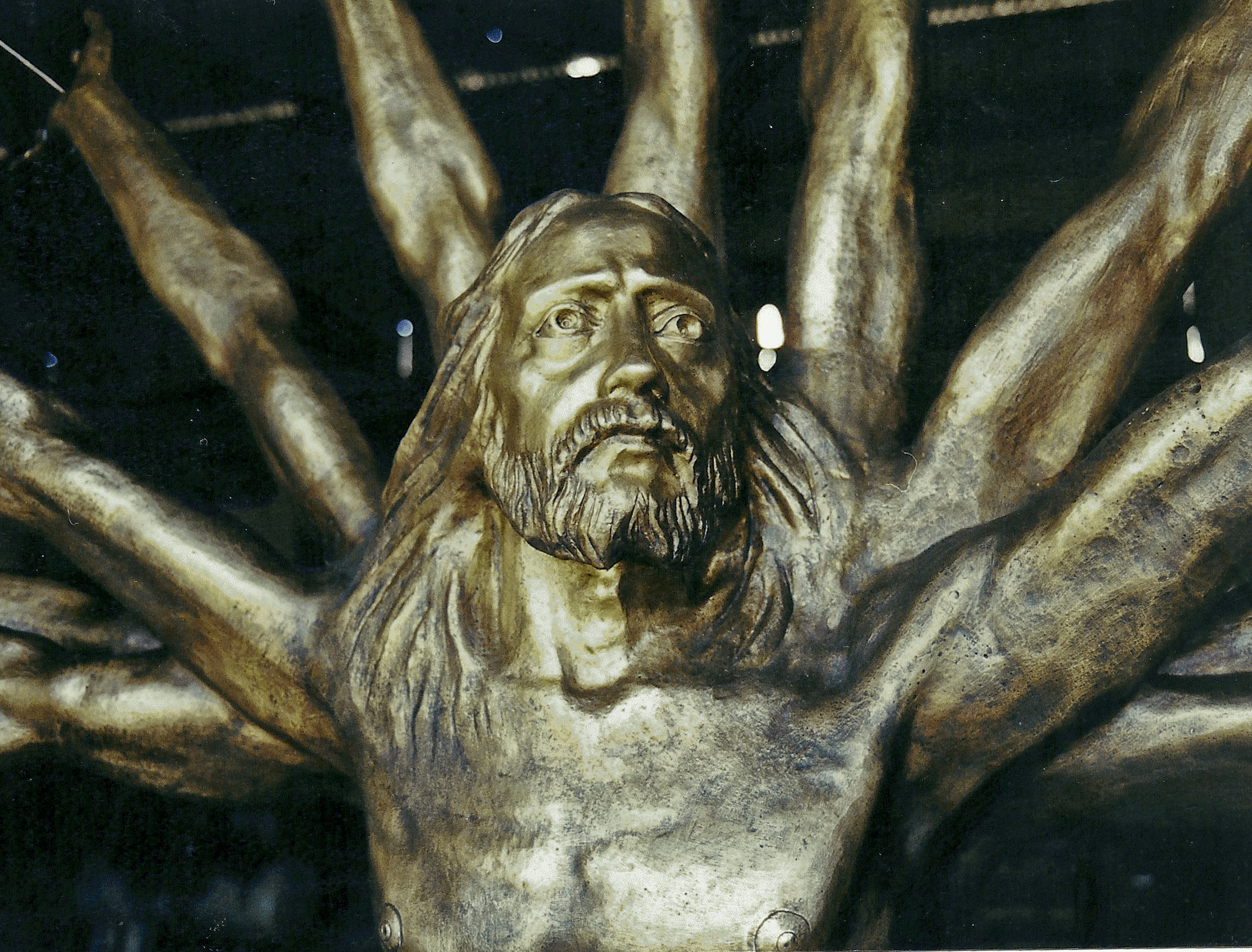
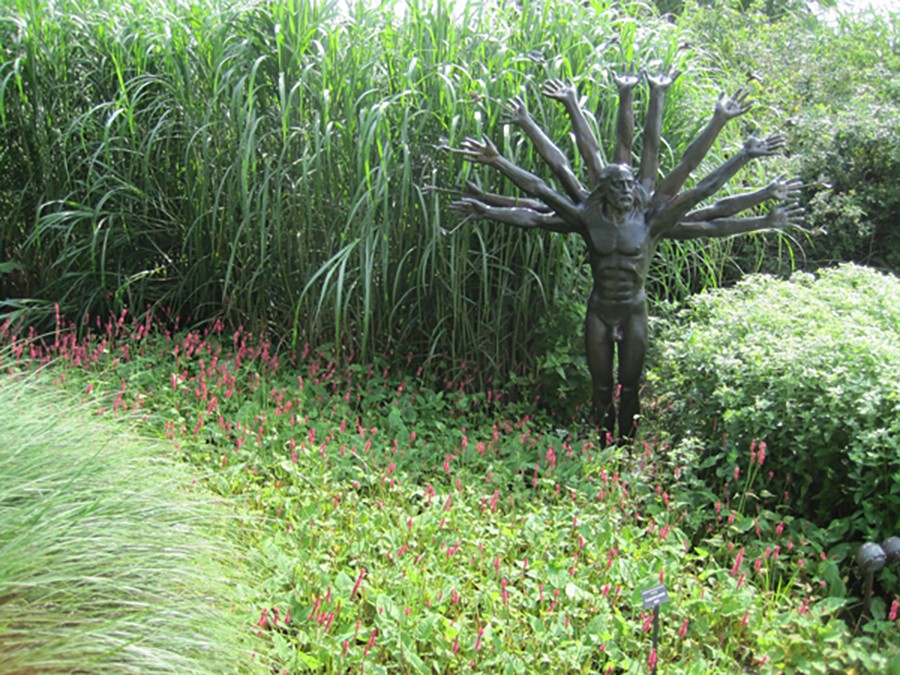
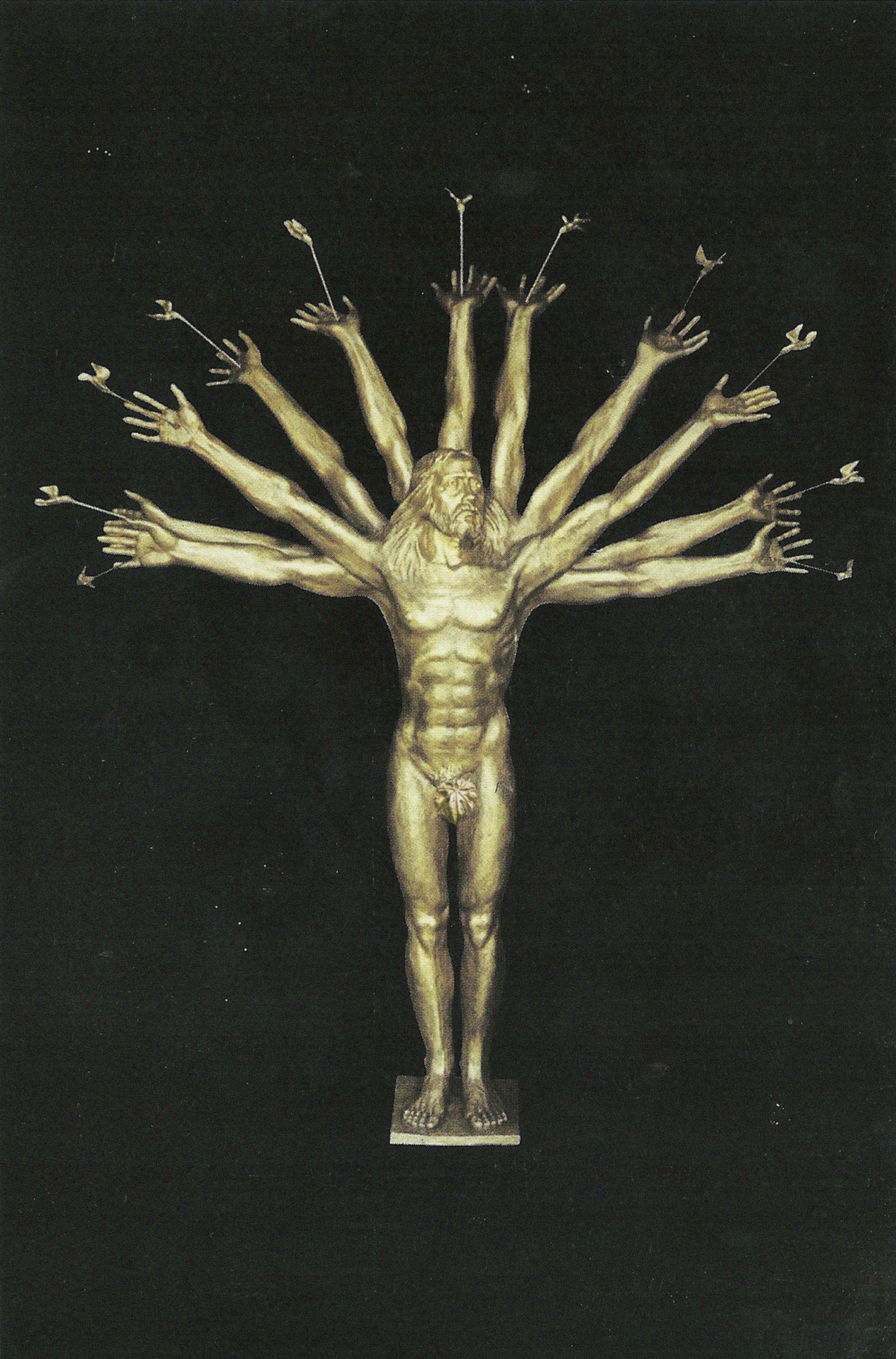
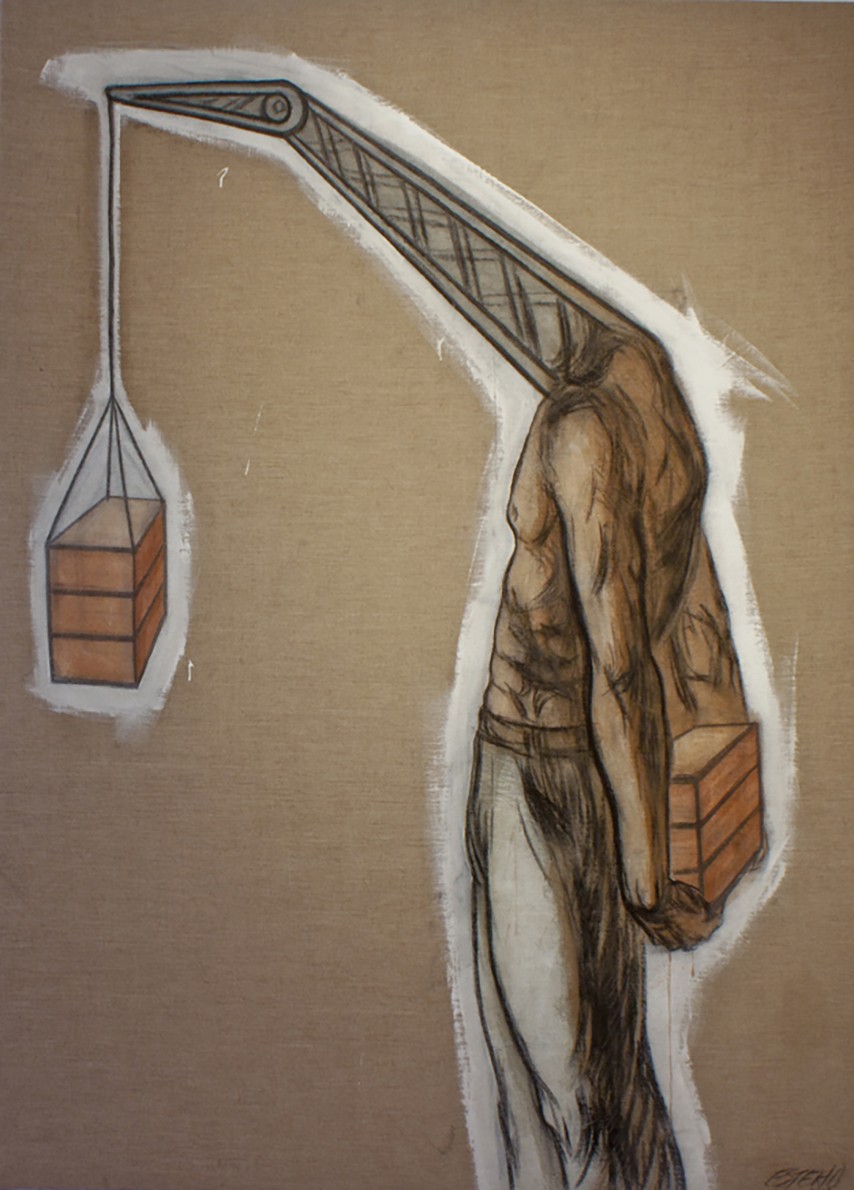
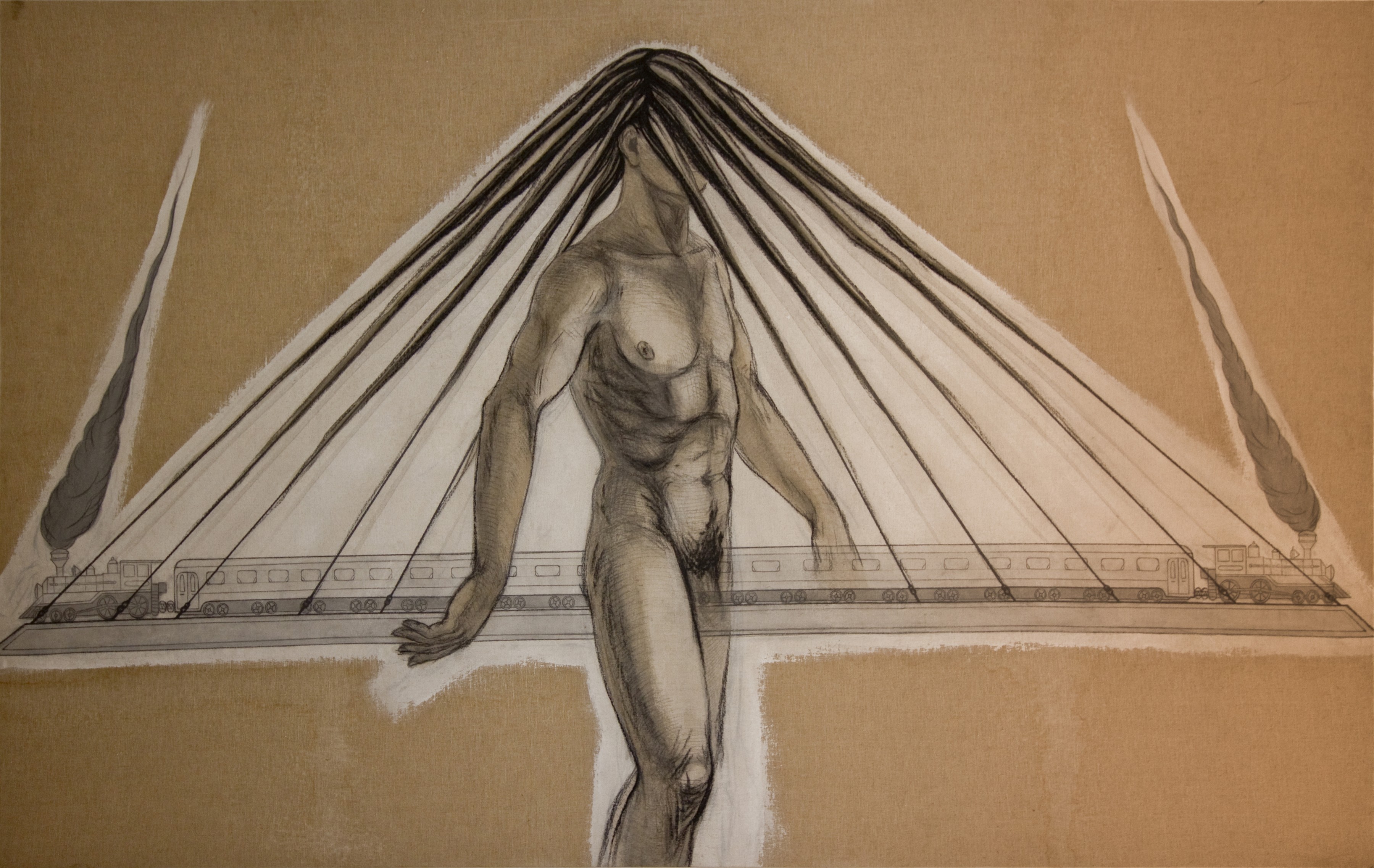
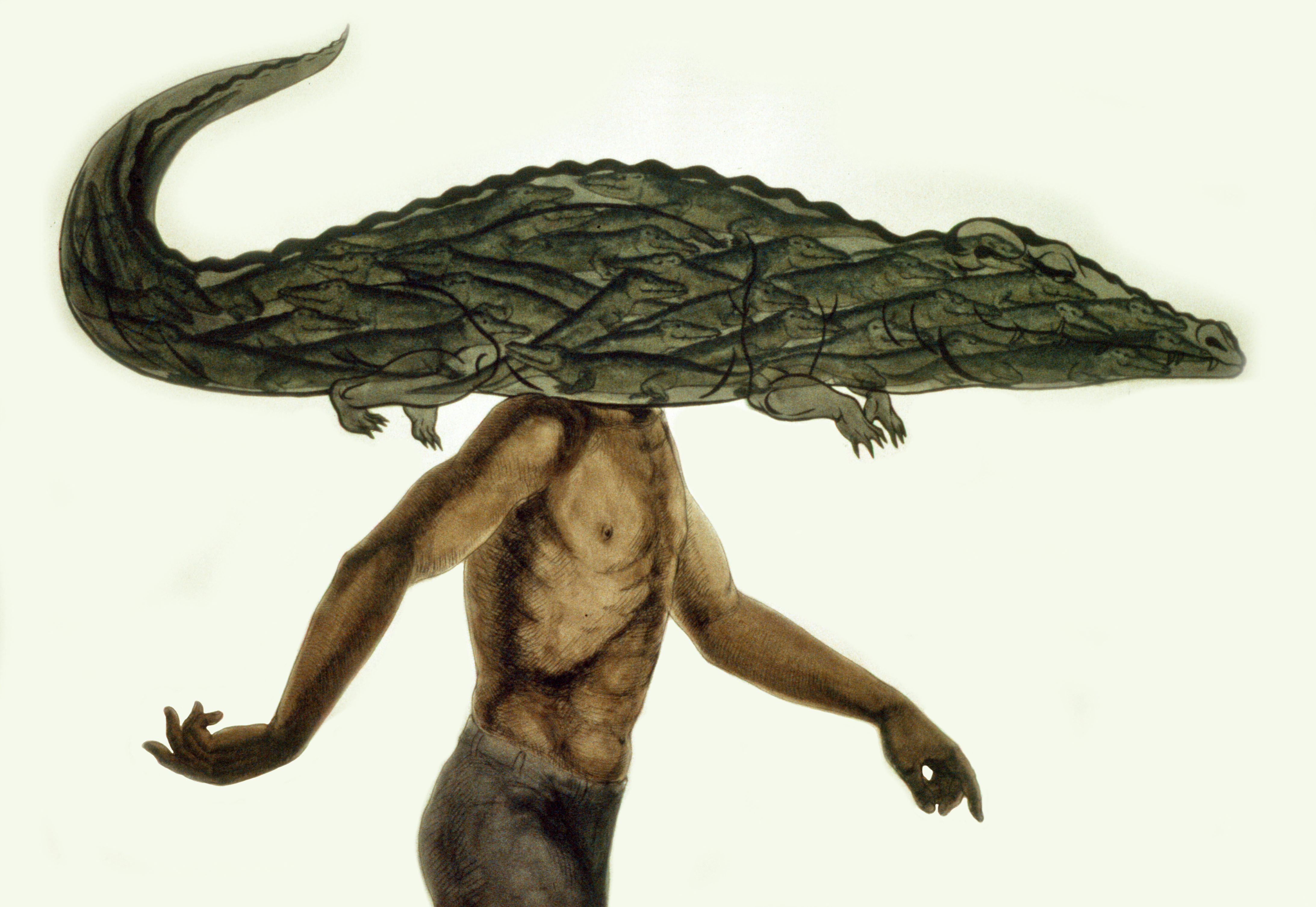
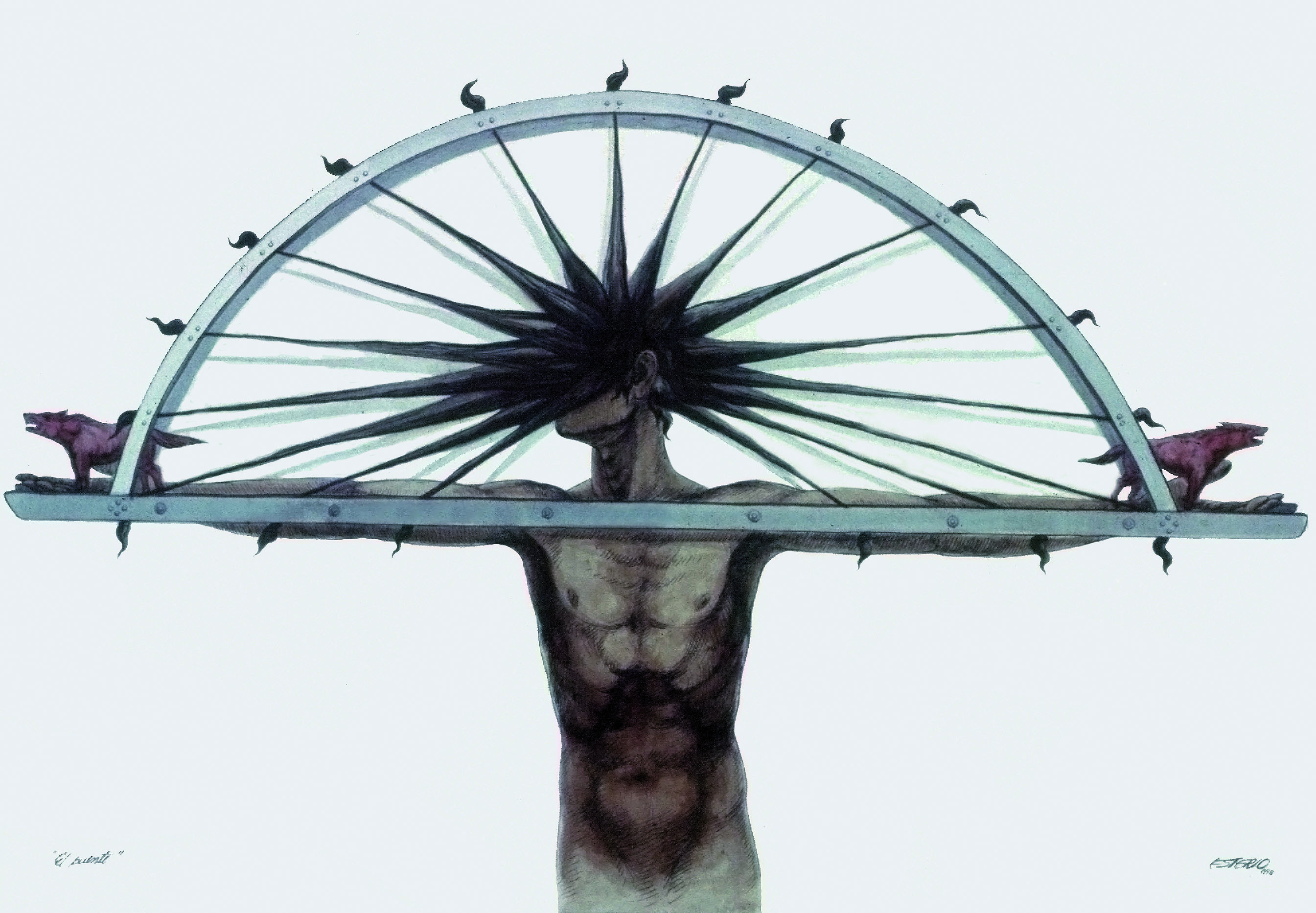
The pieces intervene in the human figure in such a way that, from the physical, the spiritual world is manifested, as well as the relationship of this one with its environment, its culture. The insistence on the topic of learning works as a metaphor that condenses the general spirit of the project. The lyricism with which existential issues are approached allows the creator to build a universe of its own. The dynamic of the project is always from the particular to the general, from the individual and his world to humanity as a whole, and always suggests that both spheres cannot be conceived but in a relationship of constant complementarity.
The relationship between nature, man, and that which he creates is another element that allows us to inquire about our existence. Although religion is not explicitly referenced in these works, the search for the origins of life and existence is evident throughout. According to Werner Heisenberg, “what we observe is not nature itself, but nature exposed to our method of questioning”, and that is, precisely, the spirit of this project, which is difficult to limit to a specific context. On How the Earth Learned to Walk functions as the personal map of an artist who articulates questions about what surrounds him through the construction of images that, ultimately, can also be considered questions.
_________________________
SOBRE CÓMO APRENDIÓ A CAMINAR LA TIERRA
«¿De dónde somos?», «¿Hacia dónde vamos?» son preguntas a las que todo grupo humano en la Historia de la humanidad ha recurrido para explicarse el sentido de la existencia. Sobre cómo aprendió a caminar la Tierra bebe de esa extensa tradición filosófica para constituir un relato íntimo, un intento de respuesta a las contradicciones inherentes a la vida.
Las piezas intervienen en la figura humana de modo que, desde lo físico, se manifiestan el mundo espiritual y la relación de este con su medio, su cultura. La insistencia en el aprendizaje funciona como una metáfora que condensa el aura general del proyecto. El lirismo con que se abordan las problemáticas existenciales construye un universo por sí mismo. El recorrido del proyecto es siempre desde lo particular hasta lo general, desde el individuo y su mundo hasta la humanidad toda, esferas ambas que no pueden concebirse sino en una relación de complementariedad constante.
La relación entre la naturaleza, el hombre y aquello creado por él es otro de los elementos que permiten la indagación acerca de nuestra existencia. Si bien la religión no es un referente explícito en estas obras, se percibe en ellas la búsqueda del origen de la vida y de la existencia. Según Werner Heisenberg, «lo que observamos no es la naturaleza misma, sino la naturaleza expuesta a nuestro método de cuestionamiento», y ese es precisamente el espíritu de este proyecto, difícilmente limitable a un contexto específico. Sobre cómo aprendió a caminar, la tierra funciona como el mapa personal de un artista que se cuestiona lo que le rodea a través de la construcción de imágenes que, en última instancia, podrían considerarse preguntas.
Double-tap to zoom